


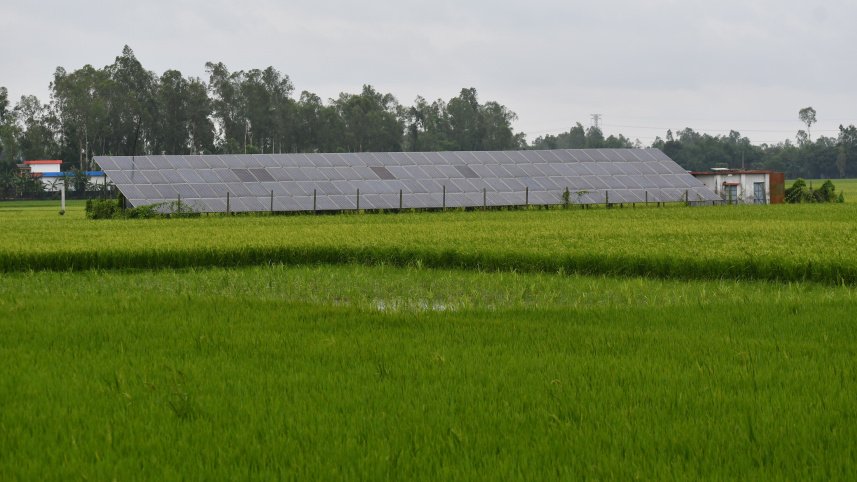
Solar-Powered Irrigation Shields Bangladesh Farmers Amid Energy Crisis
DHAKA — Bangladesh’s agricultural sector is finding a crucial lifeline against widespread diesel shortages and surging fuel costs through the adoption of solar-powered irrigation pumps.
Following a recent 15 percent hike in fuel prices, many farmers relying on diesel to irrigate vital crops like Boro paddies, maize, and seasonal vegetables have faced severe threats to their investments. Bangladesh requires over 4 million tonnes of diesel annually, with a massive portion dedicated to running more than 1.2 million traditional irrigation pumps. According to the Department of Agricultural Extension, the country currently relies on over one million diesel-powered shallow tube wells alone.
In contrast, farmers utilizing solar-powered alternatives are enjoying immunity from the ongoing energy crisis and load-shedding. These systems provide sustainable, uninterrupted water supplies, leading to lower cultivation costs, reduced stress, and improved crop yields.
In the Rangpur Division, 596 active solar machines saved an estimated 7.5 million litres of diesel over a single four-month irrigation season. Furthermore, experts note that integrating idle solar panels into the national grid via net metering during off-seasons could yield significant economic benefits for farmers, institutions, and the government.
Despite these immense benefits, the transition to solar agriculture has drastically decelerated. According to the Sustainable and Renewable Energy Development Authority, new solar pump installations plummeted from a peak of 12.88 MWp in 2019 to just 4.65 kWp by 2025. Additionally, some existing pumps remain inactive due to technical complexities and a lack of spare parts.
The Asian Development Bank highlights that replacing diesel pumps could displace the consumption of 1 million tonnes of diesel annually and avoid 3 million tonnes of carbon emissions. To capture this potential, state-run financier Idcol plans to install 10,000 solar pumps nationwide by 2030, a vital initiative to ensure food security and modernize agriculture in climate-vulnerable Bangladesh.
